Here’s a quick update—not RC-related this time, but definitely something you’ll find interesting.
Build Your Own Boom Box!
That’s right: a do-it-yourself boom box with powerful performance, built in under 3 hours and on a budget. All you need is a sturdy case, some car speakers, a Bluetooth amplifier, and a few accessories. You’ll find a full parts list at the end of the article.
Step-by-Step Guide:
1. Choose a Case
Start with a strong, portable case. I used the Nanuk 920, but almost any hard case will work. Harbor Freight’s Apache series is a good alternative.
🔗 Nanuk 920 on Amazon
2. Install the Speakers
Cut a hole in the lid of the case to fit your speaker. A jig saw and file is all you need. I used the Kicker DSC6930 6×9″ 3-Way Speakers (4 Ohm, Pair) and centered them using a paper template.
Of course, other speakers will work too—but these sounded fantastic.
🔗 Kicker DSC6930 on Amazon
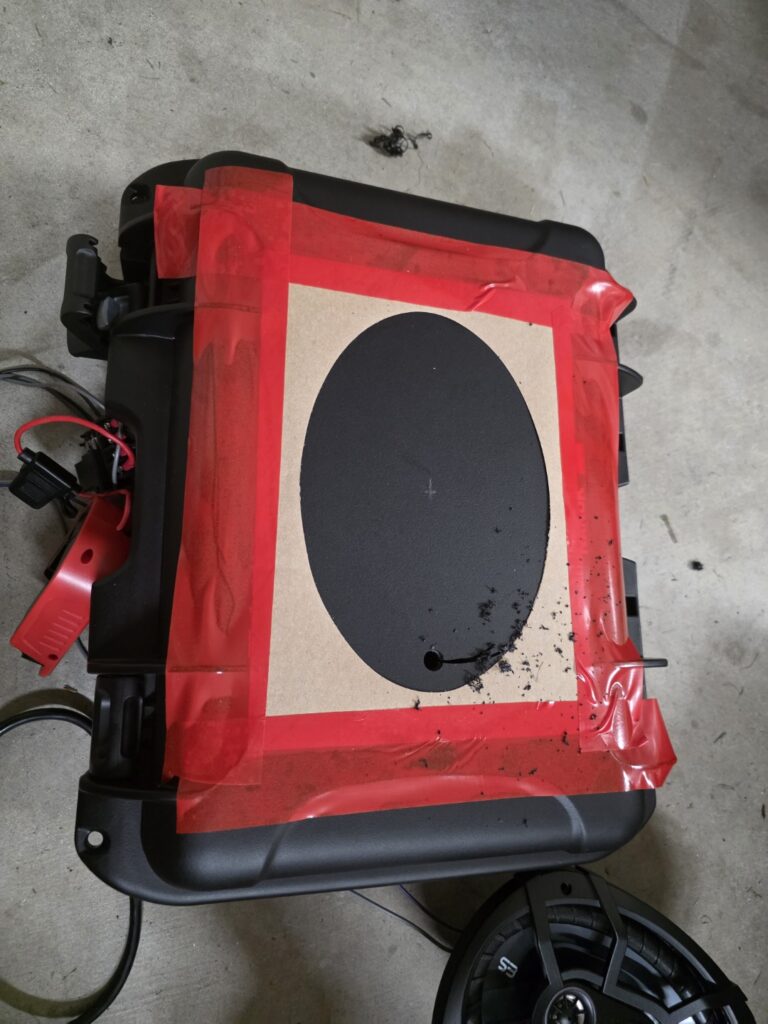
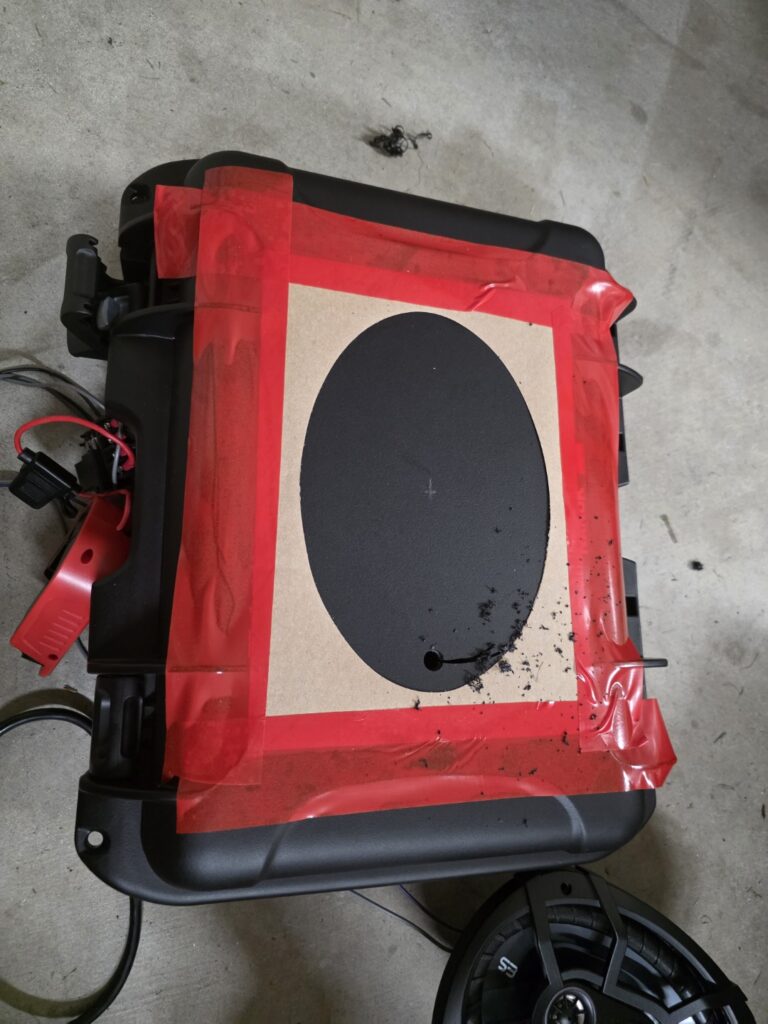
3. Add a Power Source
You’ll need a power tool battery adapter. I use Bauer tools from Harbor Freight, so I chose an adapter compatible with 20V Bauer batteries.
This particular adapter includes a handy on/off switch. I installed the switch by removing the air valve under the handle of the case and using a step drill to create the mounting hole.
🔗 Battery Adapter with Switch
4. Bluetooth Amplifier
I used the Wuzhi Audio ZK-1001U Bluetooth Receiver/Amplifier. Be careful when ordering—there are many cheap knockoffs. Use the link below to get the original.
It supports mono playback or you can pair two units for TWS (True Wireless Stereo) mode.
🔗 Wuzhi ZK-1001U on Amazon
5. (Optional but Recommended) Low Voltage Disconnect
Protect your battery from over-discharge with a low voltage disconnect. This helps extend battery life and prevent unexpected shut-offs.
🔗 Low Voltage Disconnect on Amazon
6. (Optional) USB Charger with Voltmeter
I added a 12V/24V USB outlet with an integrated voltmeter, so I can charge my phone or tablet and monitor battery levels from the outside.
🔗 USB Charger with Voltmeter
7. Wiring It All Together
Here’s a simple wiring layout:
- Connect the battery adapter to the low voltage disconnect.
- From the disconnect, supply power to the amplifier and the USB outlet.
- Finally, connect the speaker(s) to the amplifier—and you’re done!
Final Thoughts
In under 3 hours, you’ll have a custom-built boom box that delivers serious sound, portability, and battery life. It’s a great weekend project that doesn’t break the bank—and it sounds amazing.
Want even better audio? Build two and go full stereo—it’s 100% worth it.
Let me know if you build your own, and feel free to share your setup!
All links are affiliate links.
0 Comments